
Personalized TCM herbal formulas for menopause support
Personalized Chinese herbal formulas for hot flashes, night sweats, disrupted sleep, mood changes, brain fog, fatigue, libido changes, and other symptoms that may arise during the transition of menopause.
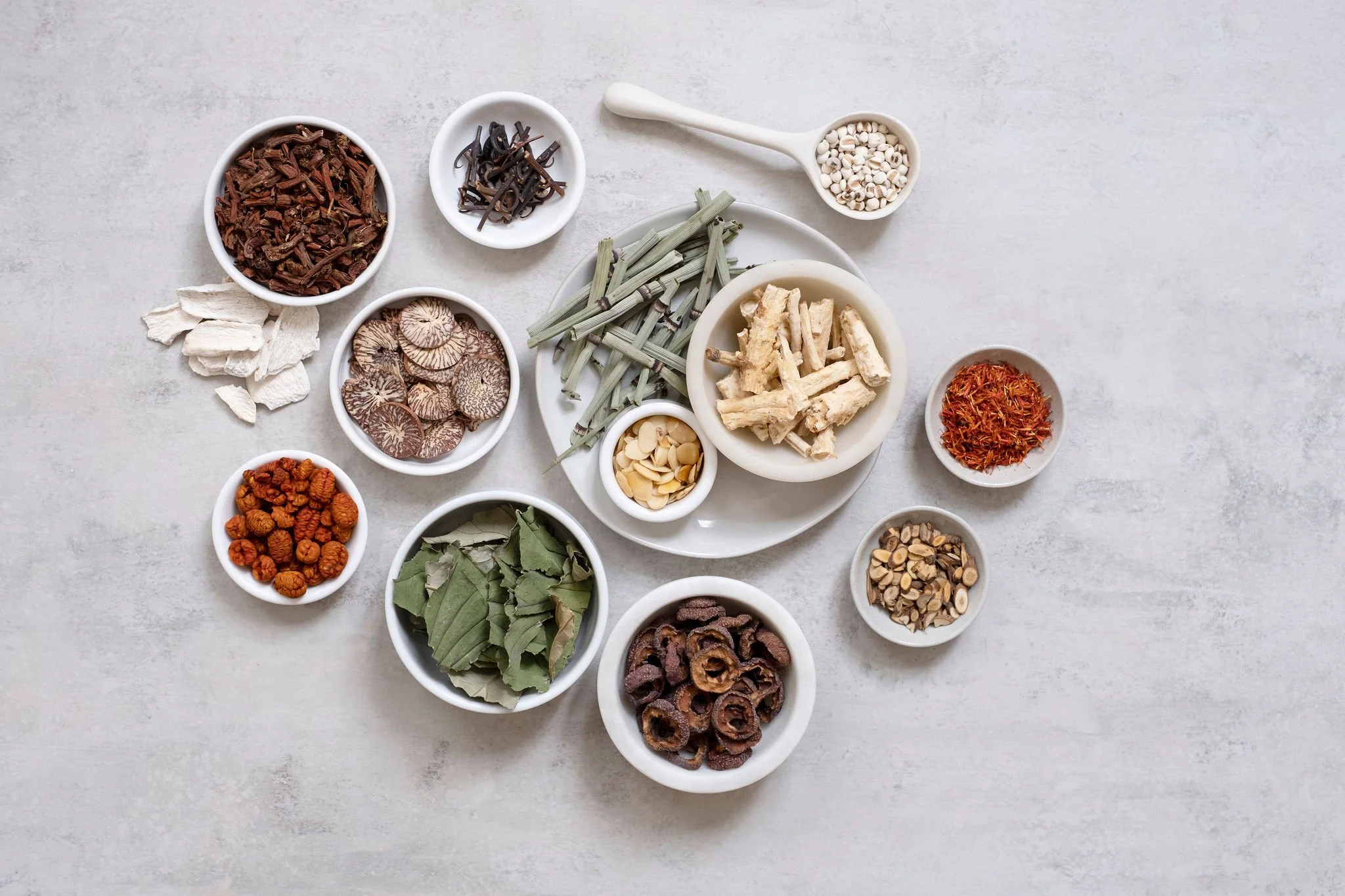
From a Chinese medicine perspective, menopause is a natural life transition. The experience, however, varies widely. Some women move through menopause with few concerns, while others experience symptoms that affect sleep, concentration, energy, mood, sexual health, or daily comfort.
Perimenopause refers to the years leading up to menopause, when menstrual cycles and symptoms may become less predictable. Menopause is reached after 12 consecutive months without a menstrual period when there is no other medical cause. Postmenopause describes the years that follow. Daodi composes each formula around the symptoms and Chinese medicine patterns present at your particular stage.
Understanding menopause through a Chinese medicine lens
In Western medicine, the menopause transition reflects changing ovarian function and fluctuating levels of hormones including estrogen and progesterone. Periods may become shorter, longer, heavier, lighter, or more widely spaced during perimenopause. Hot flashes, night sweats, sleep disruption, mood changes, difficulty concentrating, fatigue, vaginal dryness, and changes in libido may occur before or after the final menstrual period.
Chinese medicine distinguishes the transition itself from the symptoms that may accompany it. Menopause reflects the gradual decline of Kidney essence, Yin, and Yang as part of the natural aging process, but this change does not create the same experience for every woman.
In Chinese medicine gynecology, these symptoms are described as 绝经前后诸证 (jué jīng qián hòu zhū zhèng), meaning “the symptoms occurring before and after menopause.”
When symptoms are present, Chinese medicine uses pattern differentiation to understand them. The relative strength of Yin and Yang, the movement of qi, the nourishment of Blood, and the function of the Heart, Liver, Spleen, and Kidneys all shape how symptoms appear.
Kidney Yin deficiency
Frequent hot flashes, night sweats, warm palms or soles, dryness, thirst at night, light sleep, tinnitus, dizziness, or weakness in the lower back can point to Kidney Yin deficiency. Yin provides cooling, moistening, and nourishing support. When it becomes insufficient, heat and dryness may become more apparent.
Kidney Yang deficiency
Feeling cold, low energy, low libido, frequent urination, fluid retention, loose stools, early morning waking, or weakness in the lower back and knees can point to Kidney Yang deficiency. Yang provides warmth and activation. When it is depleted, the presentation may feel cold, slow, and fatigued rather than hot and restless.
Combined Yin and Yang deficiency
Some women experience signs of both patterns, such as hot flashes followed by chills, night sweats alongside daytime coldness, dryness with fluid retention, or restless sleep with pronounced fatigue. In these cases, how the formula is composed must account for both aspects.
Heart and Kidney disharmony
Difficulty falling or staying asleep, vivid dreams, palpitations, anxiety, fearfulness, and mental restlessness can point to Heart and Kidney disharmony. In this pattern, the Heart and Kidneys are not communicating effectively, leaving the mind less settled and sleep more easily disturbed.
Liver qi constraint with heat
Irritability, emotional tension, headaches, breast tenderness, irregular cycles, waking during the night, or hot flashes that intensify with stress can reflect constrained Liver qi generating heat.
Spleen qi deficiency with dampness
Fatigue, brain fog, bloating, loose stools, fluid retention, and a heavy feeling in the body can point to Spleen qi deficiency with dampness. When Spleen qi is insufficient, the transformation and movement of food and fluids may become impaired, allowing dampness to accumulate.
These patterns often overlap, and they can change as perimenopause progresses into postmenopause. Symptom timing, temperature, sleep, digestion, energy, emotions, menstrual history, vaginal and urinary changes, and the relationship between symptoms all help determine which pattern is most relevant.
How Daodi approaches menopause support
Daodi does not use one standard menopause formula. Instead, we look at individual symptoms, when they arise, what patterns they follow, and what accompanies them. A hot flash that is strongest at night with profuse sweating provides different information from one that appears with agitation, headaches, or digestive changes.
Your consultation also considers sleep quality, daytime energy, appetite, bowel function, emotional changes, menstrual history, current bleeding patterns, vaginal and urinary symptoms, libido, medications, supplements, and any hormone therapy or other treatment you are using.
Your formula is then composed around the combination of patterns present. It may focus on nourishing Yin, warming Yang, clearing deficiency heat, supporting qi, moving constrained qi, calming the mind, or combining several strategies in a measured way. Monthly check-ins allow the formula to be revised as symptoms and stages of the transition change.
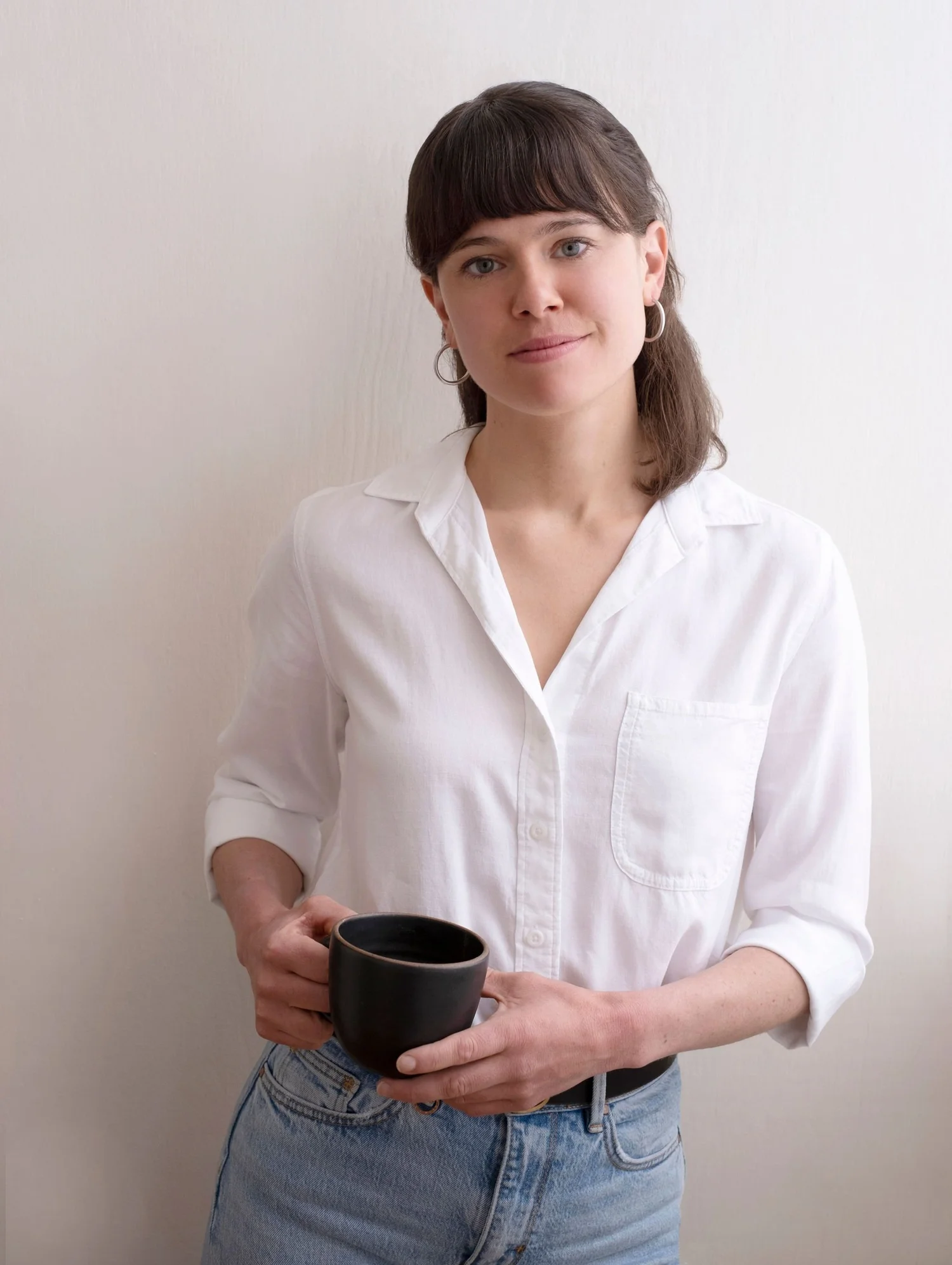
Composed by a licensed Chinese medicine doctor
Dr. Hannah Dietz, DACM, LAc, is a licensed acupuncturist and NCCAOM board-certified herbalist with doctoral training in acupuncture and Chinese medicine. Her clinical work focuses on personalized herbal support for women's hormonal and menstrual health.
Before composing a formula, Dr. Hannah reviews your health history, symptoms, medications, supplements, current medical care, and goals. Menopause symptoms are considered within the full picture rather than as an isolated list.
How it works
Complete your intake
Share your menstrual history, current symptoms, sleep, digestion, energy, mood, medical history, medications, supplements, hormone therapy, and any recent testing or treatment.
Meet with Dr. Hannah
During a virtual consultation, Dr. Hannah reviews your intake, asks focused questions, and identifies the Chinese medicine patterns most relevant to your presentation.
Receive your formula
Dr. Hannah composes a personalized granular herbal formula for you. It is delivered to your home with clear preparation and dosing instructions.
Continue with monthly check-ins
At each follow-up, Dr. Hannah reviews changes in symptoms, bleeding, sleep, medications, and medical care, then adjusts the formula when appropriate.
Why a personalized formula matters
Two women may both experience hot flashes and poor sleep but need different formulas. One may have pronounced dryness and night sweats, another may alternate between heat and chills, and another may have stress-related heat with headaches and irritability, so the composition and proportions are selected for the personal pattern and reassessed as the presentation changes.
Herbs commonly considered in menopause formulas
There is no universal herb for menopause. Individual herbs are selected as components of a complete formula according to the Chinese medicine pattern, health history, medications, and current treatment plan. A formula may include cooling and moistening herbs, warming herbs, or a combination of strategies. The descriptions below refer to their traditional functions in Chinese medicine.
Shu Di Huang
Prepared rehmannia root traditionally nourishes Blood and Kidney Yin. It may be considered when dryness, dizziness, scanty or absent menstrual flow, lower back weakness, or other signs of depletion are present.
Shan Zhu Yu
Cornus fruit traditionally nourishes the Liver and Kidneys and helps contain fluids. It may be considered when a deficiency pattern includes night sweats, frequent urination, lower back weakness, or dizziness.
Zhi Mu
Anemarrhena rhizome clears heat while supporting Yin. It may be included when hot flashes, night sweats, thirst, or internal heat occur as part of a Yin-deficient presentation.
Yin Yang Huo
Epimedium traditionally warms Kidney Yang and supports the lower back and knees. Its use depends on the broader formula and is not appropriate when the presentation is dominated by heat.
Bai Shao
White peony root nourishes Blood and preserves Yin while softening Liver tension. It may be considered when dryness, muscle tension, irritability, or deficiency and constraint appear together.
Suan Zao Ren
Sour jujube seed nourishes Heart and Liver Blood and is traditionally used in formulas for restlessness, light sleep, or frequent waking when those symptoms fit the overall pattern.
The herbs listed here are not one-size-fits-all recommendations. Each is selected within a complete formula based on the full pattern, health history, medications, and supplements.
Frequently asked questions
No. Daodi works with women throughout perimenopause and postmenopause, including those still experiencing menstrual changes. Your formula is based on what you are experiencing now and the broader Chinese medicine pattern.
We consider the full picture from a Chinese medicine perspective, including hot flashes, night sweats, sleep disruption, mood changes, brain fog, fatigue, libido or urinary changes, and shifts in menstrual timing or flow. Your formula is based on the Chinese medicine pattern connecting these symptoms, not on a standard menopause formula.
Yes, in many cases. Dr. Hannah reviews your hormone therapy, prescription medications, over-the-counter products, and supplements to determine whether herbal support is appropriate for you. Your prescribing clinician should remain involved in any decisions about changing hormone therapy.
Chinese herbal medicine may be used on its own for symptom support or alongside conventional medical care, depending on your needs and current treatment plan. It does not replace medical evaluation, recommended screening, or prescribed treatment.
These symptoms are included in the full assessment and may contribute to the Chinese medicine pattern guiding the formula. Vaginal dryness, pain with sex, urinary symptoms, and libido changes can also have causes that require medical evaluation. Herbal support does not replace an examination or treatments recommended by your gynecologist or other medical provider.
Please contact your medical provider if you notice any bleeding, spotting, or blood-tinged discharge after menopause, even once or if it is very light. A formula can be composed around your broader pattern, but this symptom should always be evaluated medically. New, severe, or unusual symptoms should also be discussed with a medical provider.
There is no single timeline. Symptoms and patterns can shift throughout perimenopause and postmenopause, so progress is reviewed over time. At each monthly check-in, Dr. Hannah assesses what has changed and whether your formula should be continued or modified.
Yes. You can message Dr. Hannah with questions or updates about symptoms, medications, medical appointments, or how you are responding between scheduled visits.
Ready to begin?
Begin with a detailed intake and one-on-one consultation with Dr. Hannah. Your formula will be composed around your symptoms, health history, and current Chinese medicine pattern, then adjusted as your presentation changes.
Formulas composed by licensed Chinese medicine doctors