
Personalized TCM herbal formulas for painful period support
Personalized Chinese herbal formulas for menstrual cramps, lower-abdominal and lower-back pain, clots, digestive changes, fatigue, and other symptoms that may accompany painful periods.
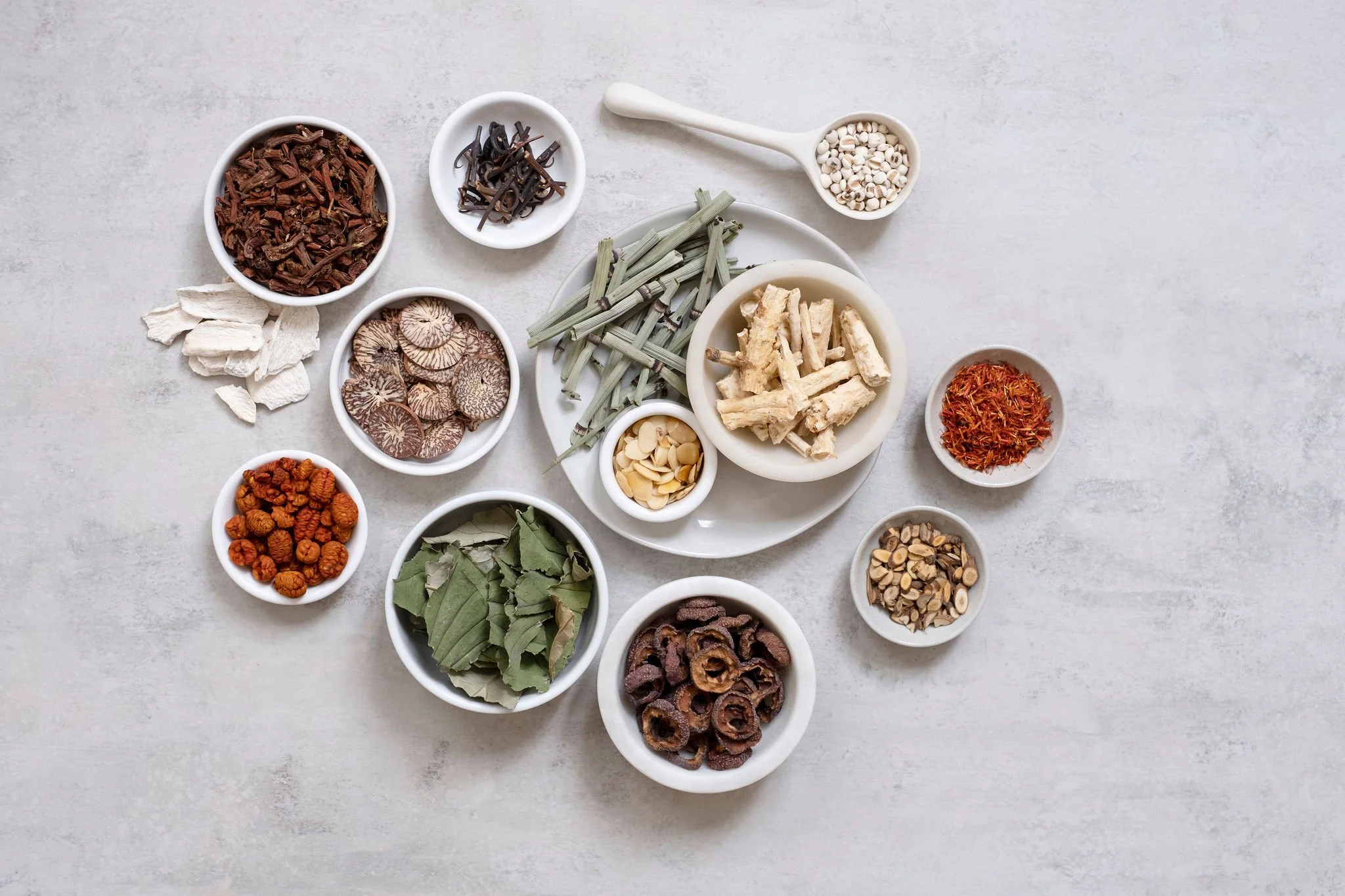
Painful periods can occur on their own or alongside a diagnosed gynecological condition. Some women experience cramping only as bleeding begins, while others have pain in the days before their period, lower-back aching, nausea, loose stools, headaches, fatigue, or pain that interrupts work, sleep, and daily life.
Daodi composes each formula around the specific qualities of your pain, the rest of your menstrual cycle, and the Chinese medicine patterns present in your case.
Understanding painful periods through a Chinese medicine lens
In Western medicine, painful menstruation is called dysmenorrhea. Primary dysmenorrhea refers to menstrual pain without an identified pelvic condition and is commonly related to prostaglandin-driven uterine contractions. Secondary dysmenorrhea describes pain related to a condition such as endometriosis, adenomyosis, or fibroids.
In Chinese medicine, the mechanisms behind painful periods are often summarized by two principles: 不通则痛 (bù tōng zé tòng), meaning that obstruction can give rise to pain, and 不荣则痛 (bù róng zé tòng), meaning that pain can also arise from insufficient nourishment. Some women show primarily an excess pattern, others a deficiency pattern, and many show elements of both. Understanding that distinction helps guide how the formula is composed.
Qi stagnation
Distending, cramping, or pressure-like pain that changes in location or intensity can point to constrained qi. Breast tenderness, bloating, irritability, a sense of emotional constraint, or symptoms that build before bleeding begins may accompany this pattern.
Blood stasis
Sharp, fixed, or stabbing pain, dark menstrual blood, clots, and pain that is strongest before or during the early part of the period can point to Blood that is not moving freely. Pain may ease once the menstrual flow becomes more established.
Cold stasis
Intense, gripping cramps that improve with warmth and worsen with cold can reflect Cold constricting the vessels and slowing the movement of Blood. A cold sensation in the lower abdomen, cold hands and feet, or a delayed period may also be present.
Damp-heat
Heavy or distending lower-abdominal pain accompanied by warmth or a burning sensation can point to damp-heat. Dark red or thick menstrual flow, clots, irritability, thirst, loose stools, or changes in discharge may accompany this pattern.
Qi and Blood deficiency
Dull, diffuse, or lingering pain during the later part of the period or after bleeding ends can reflect insufficient qi and Blood. The pain may feel better with pressure and occur alongside light flow, fatigue, dizziness, shortness of breath, or feeling depleted after menstruation.
Liver and Kidney deficiency
Longstanding dull pain accompanied by lower-back or knee weakness, dizziness, tinnitus, scanty flow, or a general sense of depletion can point to Liver and Kidney deficiency. This pattern is considered when pain occurs within a broader picture of insufficient nourishment rather than pronounced stagnation.
These patterns can overlap. When the pain begins, where it is felt, whether it is sharp or dull, what makes it better or worse, and how it relates to bleeding all help distinguish the pattern. Menstrual flow, color, clots, cycle timing, digestion, body temperature, energy, sleep, headaches, emotions, and symptoms between periods add further information.
How Daodi approaches painful period support
Daodi does not use one standard formula for painful period support. Pain alone does not reveal whether the presentation is rooted in qi constraint, Blood stasis, Cold, damp-heat, deficiency, or a combination of patterns.
During your consultation, Dr. Hannah asks when the pain begins in relation to bleeding, where it is located, how it feels, what relieves it, and whether it occurs with clots, heavy or light flow, nausea, bowel changes, headaches, fatigue, or premenstrual symptoms. Your full menstrual history, medications, supplements, medical care, and any known gynecological conditions are also considered.
Your formula may focus on moving qi and Blood, warming Cold, clearing damp-heat, nourishing qi and Blood, or combining several strategies. Monthly check-ins allow the formula to be adjusted as the timing, intensity, and character of your periods change.
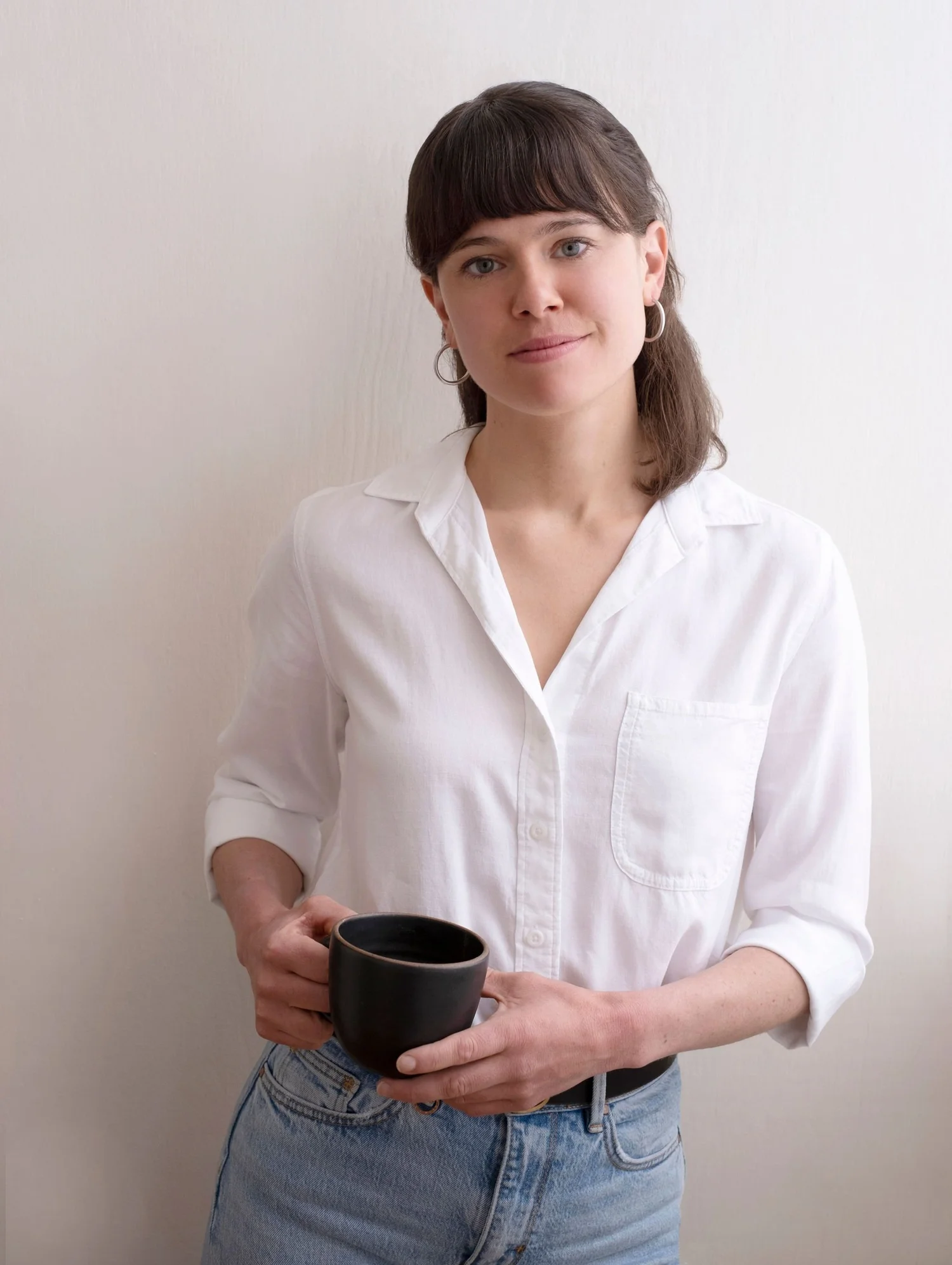
Composed by a licensed Chinese medicine doctor
Dr. Hannah Dietz, DACM, LAc, is a licensed acupuncturist and NCCAOM board-certified herbalist with doctoral training in acupuncture and Chinese medicine. Her clinical work focuses on personalized herbal support for women's hormonal and menstrual health.
Before composing a formula, Dr. Hannah reviews your introductory questionnaire with you during a one-on-one video consultation. She considers your menstrual cycle, health history, symptoms, medications, supplements, current medical care, and goals. Painful periods are considered within the full picture rather than as an isolated symptom.
How it works
Complete your intake
Share your menstrual history, current symptoms, pain timing and quality, flow, clotting, digestion, energy, mood, medical history, medications, supplements, and any testing or treatment.
Meet with Dr. Hannah
During a virtual consultation, Dr. Hannah reviews your intake, asks focused questions, and identifies the Chinese medicine patterns most relevant to your presentation.
Receive your formula
Dr. Hannah composes a personalized granular herbal formula for you. It is delivered to your home with clear preparation and dosing instructions.
Continue with monthly check-ins
At each follow-up, Dr. Hannah reviews changes in your pain, menstrual cycle, medications, and medical care, then adjusts the formula when appropriate.
Why a personalized formula matters
Two women may both experience severe cramps but need different formulas. One may have sharp, fixed pain with dark clots, another may have gripping pain that improves with heat, and another may experience a dull ache after bleeding with pronounced fatigue. The composition and proportions of your formula are selected for these distinctions and reassessed as your menstrual pattern changes.
Herbs commonly considered in formulas for painful period support
There is no single herb for menstrual cramps. Herbs are selected as parts of a complete formula according to the Chinese medicine pattern, menstrual presentation, health history, medications, and current treatment plan. The descriptions below refer to their traditional functions in Chinese medicine.
Yan Hu Suo
Corydalis rhizome traditionally moves qi and Blood and is frequently used when pain is a prominent sign of stagnation. Its place in a formula depends on the quality and cause of the pain.
Xiang Fu
Cyperus rotundus rhizome regulates qi and is often used in gynecological formulas when distention, premenstrual tension, breast tenderness, or emotional constraint accompanies cramping.
Chuan Xiong
Sichuan lovage rhizome moves qi and Blood. It may be considered when menstrual pain occurs with dark flow, clotting, headaches, or other signs that circulation is constrained.
Gui Zhi
Cinnamon twig warms and unblocks the channels and supports the movement of qi when Cold is constraining circulation. It may be used when cramping improves with heat and the overall presentation shows clear signs of Cold.
Bai Shao
White peony root nourishes Blood, preserves Yin, and softens Liver tension. It may be considered when cramping occurs with muscular tension, deficiency, irritability, or a need to nourish while regulating the cycle.
Dang Gui
Chinese angelica root nourishes and moves Blood. Dang Gui is commonly used when menstrual pain occurs alongside light flow, fatigue, or other signs that deficiency and stagnation are present together.
Mu Dan Pi
Tree peony bark cools and moves Blood. It may be included when signs of heat appear alongside acne, dark flow, clotting, irritability, or Blood stasis.
The presence of an herb on this list does not mean it is appropriate on its own. Its role depends on the complete formula, the pattern, your health history, medications, and supplements.
Frequently asked questions
No. Daodi works with women who experience painful periods whether or not they have a diagnosed gynecological condition. Your formula is based on your symptoms, menstrual cycle, and Chinese medicine pattern rather than requiring a particular diagnosis.
You do not need additional symptoms to begin support. You will start with an introductory questionnaire and a one-on-one video consultation. The timing and quality of your pain provide useful information, and Dr. Hannah will also ask about menstrual flow, digestion, energy, temperature, sleep, and symptoms throughout the rest of the cycle.
Yes. Formulas for painful period support are typically taken throughout the menstrual cycle, with instructions tailored to your formula and presentation. Dr. Hannah may adjust the formula or its timing when appropriate.
Yes, in many cases. Dr. Hannah reviews your prescription medications, birth control, over-the-counter pain medication, and supplements before determining whether herbal support is appropriate for you. Your prescribing clinician should remain involved in any decisions about changing medication.
Tell Dr. Hannah if you are trying to conceive or receiving fertility care so your formula and its timing can be coordinated with your broader plan. Daodi does not provide herbs during pregnancy or while breastfeeding. If you receive a positive pregnancy test or think you may be pregnant, stop taking your formula and contact Dr. Hannah.
Please seek medical evaluation when period pain is new, severe, worsening, disrupts daily life, occurs between periods or with sex, or is accompanied by unusually heavy bleeding, fever, fainting, or possible pregnancy. Herbal support does not replace appropriate medical evaluation.
There is no single timeline. Many women work with Dr. Hannah over several months, and sometimes through seasons, when longer-term patterns are present. The formula is reassessed at each monthly check-in, and the overall length of support depends on your presentation and goals.
Yes. You can message Dr. Hannah with questions or updates about your period, symptoms, medications, medical appointments, or how you are responding between scheduled visits.
Ready to begin?
Start with an introductory questionnaire and one-on-one video consultation with Dr. Hannah. From there, she will compose a personalized formula around your symptoms, menstrual cycle, and Chinese medicine pattern, then continue adjusting it as your presentation changes.
Formulas composed by licensed Chinese medicine doctors